

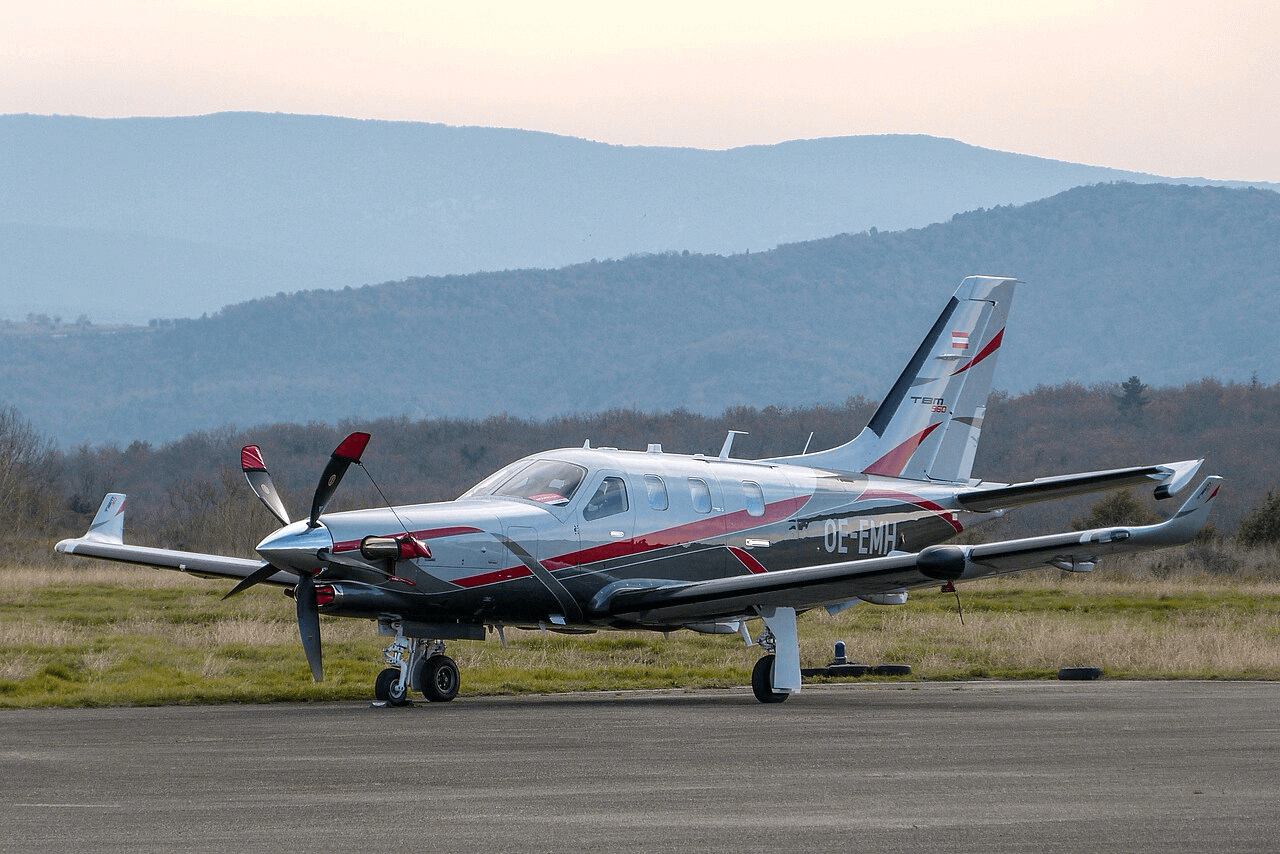
Why Turboprop Aircraft Are Popular Among Pilot Owned Aircraft and Back Seat Executives Alike
Turboprop aircraft are popular pilots, business owners, and operators as they recognize the compelling value proposition these aircraft offer. Typically faster than piston aircraft, turboprops are a logical next step for owners who fly their own aircraft. But, unlike business jets, turboprops deliver exceptional cost efficiency by trading some speed and altitude for substantial operational savings. This makes turboprops particularly attractive for short-haul flights and regional operations.
Key advantages of turboprop aircraft include:
- Runway versatility: Access to shorter and less developed runways that jets cannot utilize
- Regional connectivity: Ability to reach smaller general aviation airports, arriving closer to your destination
- Operating cost efficiency: Lower fuel consumption and maintenance costs compared to jets
Popular Turboprop Aircraft Models and Their Operating Costs
Many clients of Prestige Aircraft Finance choose turboprops as either their primary or secondary aircraft. Some of the more popular models that Prestige has financed include:
Beechcraft King Air Series
The King Air family represents over 50 years of proven aviation excellence. These twin-engine aircraft are renowned for durability and performance across business travel, medevac, and government operations. Popular variants include the King Air 90, 200, and 300 series, with older models from the 1970s still commanding over $600,000.
Pilatus PC-12
This single-engine turboprop combines incredible range with exceptional payload capacity. The PC-12’s rugged design enables operations on short or unimproved runways, making it ideal for diverse missions.
- Operating costs: $1,247 per hour variable cost
- Annual fixed costs: $285,000 (with professional pilot)
- New model range: PC-12 Pro pricing reaches $4-7 million+
Daher TBM 900 Series
These high-performance aircraft prioritize speed, efficiency, and advanced technology. The TBM series features luxurious pressurized cabins while achieving speeds over 320 knots.
- TBM 960 operating costs: $1,240 per hour variable cost
- Annual fixed costs: $213,300
- New TBM 960: $4.8M
- Pre-owned TBM 940: $4.0M-$4.5M
Cessna Caravan
This high-wing aircraft excels in versatility and low operating costs. The Caravan serves regional passenger service, cargo transport, and humanitarian missions due to its high payload capacity and unimproved runway capabilities.
- Cessna Grand Caravan EX: Average pre-owned price $1,995,000
- Operating costs: $1,021 per hour variable, $212,200 annual fixed costs
Piper M-Series
Popular with owner flown aircraft, the Piper M series offers efficient hourly operating and acquisition costs. Notable improvements to the aircraft include Autoland technology which was introduced in the M600 SLS Halo (2022), providing automatic safe return capabilities during pilot incapacitation.
- New M700 Fury base price: $4+ million
- Pre-owned M600 market range: $2.2-3.5 million (2016-2023 models)
- M600 average pre-owned price: $2.5-2.6 million
- Operating costs: $1,100-1,419 per hour variable, $208,000 annual fixed costs
Understanding Total Cost of Turboprop Aircraft Ownership
Purchase Price Considerations
When considering a purchase price, turboprops will range in price from $1.5 million to $7 million+.
New aircraft pricing:
- Entry-level new turboprops: $3.5-4 million
- Premium models (Pilatus PC-12, Daher TBM 940): $4-7 million+
Pre-owned aircraft pricing:
Savings can be recognized by purchasing and financing a pre-owned turboprop. Monthly payments can be as low as $10,500 on a $1,500,000 used turboprop, which can be calculated using our aircraft finance calculator.
- Older turboprops (such as early model M600’s): $1.5-3 million
- Late model used turboprops: $3-5 million
Essential Upfront Costs Beyond Purchase Price
Pre-purchase inspection: $1,000-$8,000 depending on aircraft type
- Critical for identifying potential maintenance issues
- Prevents costly post-acquisition surprises
- Required by most lenders for loan approval
Additional transaction costs:
- Escrow fees
- Title searches
- Aircraft registration fees
- Combined total: $2000+
Sales tax considerations: 4-8% of purchase price (varies by state)
- Requires consultation with aviation tax specialists
- Aviation Tax Consultants provides expert guidance for tax optimization
Insurance premiums:
- Generally lower than jet insurance
- Still represents substantial annual cost
- Required by all lenders for loan approval
Turboprop Aircraft Financing Options: Loans vs. Leasing
Traditional Aircraft Loans
Most turboprop buyers choose traditional financing through banks or specialized aviation lenders. Prestige Aircraft Finance offers comprehensive turboprop financing solutions featuring:
Competitive loan terms:
- Fixed and variable interest rate options
- Flexible loan terms up to 20 years
- Financing available for new and pre-owned aircraft
- Low down payment options through strong lender relationships
Accessibility benefits:
- Makes turboprop ownership accessible to individuals and businesses
- Streamlined approval process for qualified borrowers
- Expert guidance throughout the financing process
Aircraft Leasing Alternatives
Leasing provides operational flexibility for operators seeking to maintain liquidity or avoid long-term ownership commitments.
Leasing advantages:
- Preserves working capital
- Flexible lease terms
- Purchase options at lease termination
- Reduced maintenance responsibility (in some structures)
Important Lender Requirements
Both loan and lease structures typically include:
- Comprehensive aircraft insurance requirements
- Potential aircraft use restrictions
- Mandatory maintenance compliance
- Regular financial reporting requirements
Best Practices for Turboprop Aircraft Financing
Pre-financing Preparation
Financial documentation:
- Complete personal and business financial statements
- Tax returns (personal tax returns and business tax returns if you own a business)
- Bank statements
- Credit reports
Aircraft selection:
- Ensure that the aircraft is being purchased at a fair price
- Review logbooks for any recent damage history, as this may impact your financing options
- Ideally for aircraft lending, the aircraft will have less than 10,000 total hours
Working with Aviation Finance Specialists
Your bank likely does not understand your aircraft, which is where aviation specific financing companies come in. Working with firms like Prestige Aircraft Financing, you are working with a team with:
- Industry expertise and market knowledge
- Access to competitive rates and terms
- Streamlined approval processes
- Ongoing support throughout your aircraft ownership cycle and upgrade cycle
- Technology-forward application and document submission process
Strategic Turboprop Investment Planning
If you’re looking for a cost effective option for aircraft ownership without sacrificing performance, turboprop aircraft should be in your consideration.
Key success factors include:
- Comprehensive total cost analysis
- Professional financing guidance
- Proper insurance and tax planning
- Realistic operating cost budgeting
The complexity of turboprop acquisition and financing makes professional guidance essential. Prestige Aircraft Finance specializes in structuring optimal financing solutions that align with your operational needs and financial objectives, ensuring your turboprop investment delivers maximum value for years to come.
Whether you’re a first-time buyer or expanding an existing fleet, understanding these financing fundamentals empowers informed decision-making and positions you for successful turboprop ownership.